Casting Foundry Innovations: How Technology Is Shaping Metal Casting
Innovations in casting foundries are radically reshaping the domain of metal casting. Modern technologies and automation boost productivity and precision, revolutionizing established processes. Robotics streamline operations, while 3D printing introduces new design possibilities. Moreover, real-time data analytics refine production processes, advancing sustainability. Yet, these developments also introduce complexities that demand thoughtful navigation. What impact do these breakthroughs hold for the sector and its path forward?
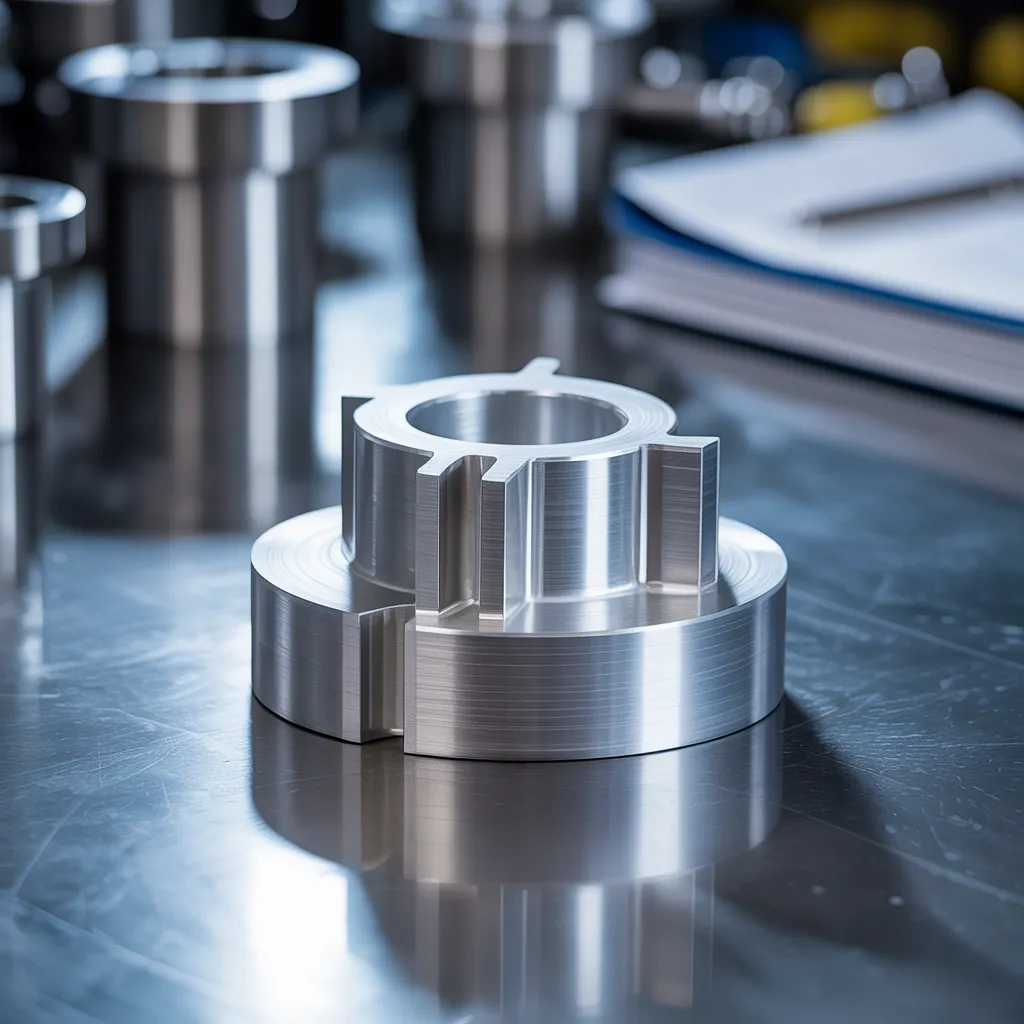
Survey of Advancements in Metal Casting
The domain of metal casting has seen considerable evolution, propelled by innovations in technology and materials. Classical approaches have been elevated through the adoption of automation, which optimizes manufacturing workflows and enhances accuracy. Advances in computer-aided design (CAD) allow engineers to develop complex patterns and components, decreasing material waste and improving overall efficiency. Additionally, the emergence of new alloys and composite materials has extended the potential of metal casting, allowing for the production of lightweight and durable components that meet diverse industry needs.
Furthermore, developments in melting and casting technologies have boosted energy efficiency and minimized emissions, contributing to environmental sustainability goals. Artificial intelligence and robotics are also gaining ground, promoting immediate monitoring and quality regulation. Collectively, these innovations are reshaping the landscape of metal casting, permitting producers to manufacture top-quality products while decreasing expenses and environmental consequences.
The Rise of 3D Printing: Transforming Metal Casting
The integration of 3D printing into metal casting processes is revolutionizing the industry by offering enhanced design flexibility. This advancement enables intricate geometries that were formerly hard to produce. Moreover, it considerably reduces production time, improving the overall manufacturing workflow.
Greater Design Freedom
Cutting-edge innovations in 3D printing techniques have considerably expanded design versatility within the metalworking industry. This transformation empowers professionals to produce intricate geometries that were previously unattainable with standard techniques. With this innovative technology, complex internal configurations and lightweight designs can be produced without the constraints presented by orthodox tooling approaches. Additionally, the capacity to iterate rapidly helps engineers to investigate various configurations and materials, fostering creativity and innovation. As a result, fabricators can produce personalized manufacturing components engineered to meet specific requirements, bringing about heightened efficiency and functional capability. This progression toward expanded creative freedom not only optimizes the creative workflow but also encourages collaboration among design professionals and engineers, paving the way for highly refined solutions in multiple fields.
Shortened Production Time
Adopting 3D printing technology has considerably reduced production time in the metal casting industry. Conventional approaches often involve time-consuming processes of pattern creation and mold production, which can hinder project timelines. However, 3D printing enables rapid prototyping and the direct creation of complex geometries, streamlining the entire workflow. By eliminating several intermediate steps, manufacturers can manufacture parts more quickly and effectively. This technology also promotes just-in-time production, decreasing the need for large inventories and minimizing waste. As companies adopt 3D printing, they achieve significant time savings, allowing for quicker response to market demands and a more flexible manufacturing process. Overall, the integration of 3D printing marks a helpful information revolutionary shift toward greater efficiency in metal casting.
Intelligent Automation: Boosting Efficiency in Foundry Operations
Utilizing intelligent automation revolutionizes foundry operations, driving significant improvements in efficiency and productivity. Advanced robotics and automated systems streamline various processes, spanning mold preparation through metal pouring, lowering manual labor requirements and reducing human error. These innovations support real-time monitoring and control, optimizing workflows and resource utilization.
Automated equipment have the ability to function around the clock, facilitating increased manufacturing rates and reliable precision in casting production. Furthermore, smart automation enables accurate modifications in response to evolving circumstances, strengthening process reliability.
Implementation of automated solutions further improves worker safety by minimizing the requirement for workers in high-risk environments. This shift not only boosts operational effectiveness but also encourages a more environmentally responsible production methodology, as material waste and energy consumption are minimized.
How Data Analytics Enhances Decision-Making in Metal Casting
Data analytics transforms the decision-making process in metal casting by delivering insights that fuel process improvements and long-term planning. By harnessing data from various sources, foundries can oversee production workflows in real-time, detecting inefficiencies and potential areas of optimization. Predictive analytics enables manufacturers to foresee equipment breakdowns and upkeep demands, reducing downtime and optimizing productivity.
Additionally, data analysis facilitates more effective inventory oversight, ensuring that materials are available when needed while cutting down on redundant inventory. This capability allows for strategic determinations concerning supply chain operations and financial management. Enhanced data visualization tools render intricate data easier to interpret, equipping teams to deliver prompt, research-supported determinations.
Ultimately, the integration of data analytics fosters a culture of ongoing advancement in metal casting operations, leading to higher quality products and enhanced competitiveness in the market. As the industry evolves, utilizing data will prove critical for foundries striving to stay competitive and accelerate advancement.
Green Methods in Metal Casting: Reducing Waste and Conserving Energy
The integration of data analytics in metal casting not only strengthens decision-making but also creates opportunities for more sustainable practices. By utilizing real-time data, foundries can refine production processes, consequently decreasing waste and energy consumption. Advanced monitoring systems identify inefficiencies in casting operations, allowing for immediate adjustments that reduce material waste and energy usage.
Furthermore, the integration of recycled materials has become increasingly popular within the industry. Production plants are continually using repurposed metal, which not only reduces the cost of raw materials but also diminishes the environmental impact linked to extracting and processing virgin resources. Furthermore, cutting-edge technologies such as 3D printing enable the production of molds that use fewer materials while improving production efficiency.
Together, these sustainable practices indicate a profound shift in metal casting processes, emphasizing the industry's dedication to decreasing its environmental impact while upholding efficiency and competitive edge.
Addressing Technology Adoption Challenges in Foundries
Steering through the complexities of adopting new technology creates substantial obstacles for foundries, commonly obstructing their progress toward modernization. A key challenge is the substantial upfront investment required for new technologies, which can pressure financial resources, particularly for smaller establishments. Furthermore, the present employees may lack the necessary skills to handle sophisticated equipment, demanding substantial investment in training. Resistance to change among employees can further complicate the integration of new systems, as established methods are firmly rooted.
Moreover, foundries need to address the adoption of new technological solutions into established systems, which can result in compatibility issues. Procurement challenges can also occur when obtaining specialized materials or parts, disrupting operational deadlines. Ultimately, the accelerating rate of technological development presents difficulties for foundries in staying current, resulting in potential obsolescence of recent investments. Tackling these obstacles is essential for foundries aiming to enhance efficiency and competitiveness in a fast-changing market.
Advanced Trends in Metal Casting Technologies
Steering through the complexities of technological advancement has highlighted the need for foundries to consider new approaches in metal casting. Emerging trends suggest a shift towards automation, with robotics boosting precision and efficiency in production lines. Advanced data analytics and artificial intelligence are expected to revolutionize operational decision-making, enabling live monitoring capabilities and proactive maintenance. In addition, the integration of additive manufacturing is expected to create new possibilities for intricate geometries and weight-optimized structures, cutting down on material consumption. Sustainability will also play an essential role, as foundries increasingly incorporate green materials and energy-saving methods. Moreover, the rise of smart foundries, harnessing the Internet of Things (IoT), promises enhanced connectivity and streamlined operations. As these trends progress, they will not only redefine production capabilities but also position metal casting as a critical player in the future of manufacturing.
Commonly Asked Questions
What Materials Are Best Suited for 3D Printing in Metal Casting?
Aluminium, stainless steel, and titanium rank among the best materials for 3D printing in metal casting. Such metals deliver excellent strength, lightweight properties, and corrosion resistance, rendering them perfect for a wide range of industrial applications.
How Does Metal Casting Impact the Environment?
Metal casting operations affects the environment through resource extraction, energy consumption, and emissions. However, advancements in sustainable practices and recycling initiatives work to minimize waste and improve efficiency, helping to lessen negative ecological effects linked to traditional casting methods.
What Are the Financial Considerations for Implementing New Technologies in Foundries?
Integrating new solutions in metalworking facilities generates financial outlays connected to the procurement of equipment, workforce training, ongoing maintenance, and expected periods of inactivity during transitions. These expenditures can be substantial, but may eventually lead to increased efficiency and lower long-term operating expenses.
What Abilities Are Required for Employees in Contemporary Metal Casting Plants
Employees in today's casting plants require competencies in automation, computer-aided design, quality control, and metallurgy. Competence in managing state-of-the-art machines and understanding technological advancements is vital for efficient production and preserving workplace safety.
How Are Innovations Influencing Traditional Metal Casting Practices?
Advancements improve established metal casting processes by enhancing accuracy, productivity, and automation. Advanced technologies streamline operations, reduce inefficiencies, and allow for sophisticated configurations, ultimately revolutionizing the craftsmanship and productivity of metal casting operations.